The Council adopted on 29 June its Recommendation on integrated wildfire risk management. While the Recommendation is not legally binding, Member States are invited to implement the measures in accordance with their national circumstances, risk profiles, and governance systems.
The work carried out under the Cypriot Presidency follows the publication EU Integrated Wildfire Risks Strategy by the European Commission, in the context of an already record breaking 2026 fire season. The Recommendation endorses the integrated risk management approach, tackling all parts of the cycle: prevention, preparedness, response and recovery, and calling for a more coordinated approach across governance levels.
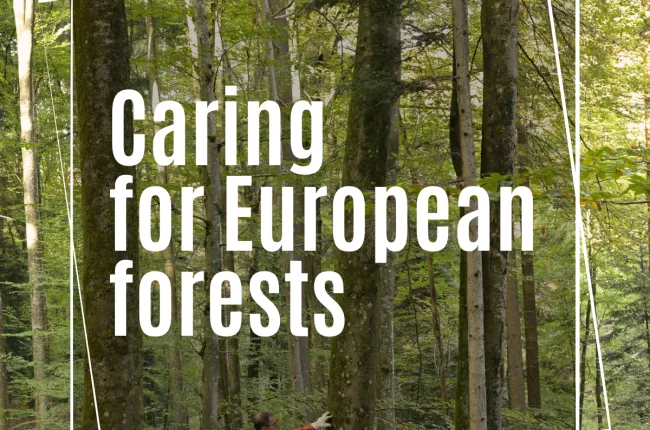
On prevention, Member States are recommended to further promote sustainable forest management in line with the criteria and indicators of the Forest Europe process. Member States are also invited to map fuel load and consult forest owners and forest managers when developing fuel load management guidance, including on prescribed burning. The text further highlights active sustainable forest management, such as brush clearing, thinning, pruning and species diversification, as key to reducing wildfire risk, supported by viable bio-based value chains within the forest based bioeconomy.
On preparedness, Member States are invited to make better use of Copernicus tools, EFFIS and Destination Earth, and to strengthen early warning systems and public awareness, including among farmers, foresters and local communities.
The recommendation also addresses coordinated response, notably through the European Civil Protection Pool and host nation support, post fire recovery, long term funding and insurance mechanisms rewarding prevention.
On international cooperation, Member States are encouraged to collaborate with Forest Europe and its newly established Forest Risk Facility, FoRISK, and with the FAO UNEP Global Fire Management Hub.
Link to the Recommendation on integrated wildfire risk management.
Link to the Council Press Release