EU Nature Directors’ meeting
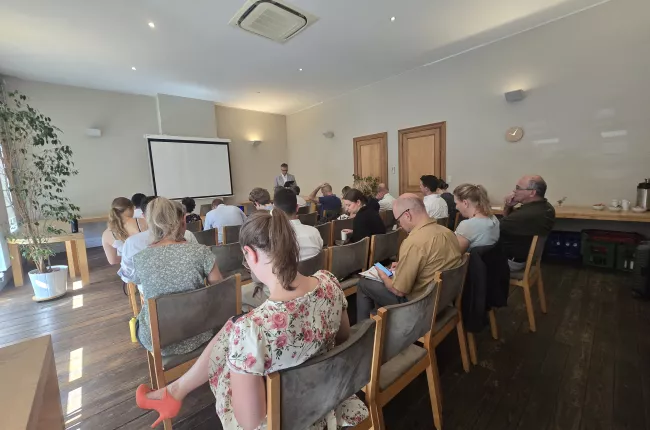
The EU Nature Directors meeting organised by the Danish Presidency was held on 10-12 September in Copenhagen. The meeting was attended by CEPF Senior Policy Advisor, Hélène Koch.
The two main topics discussed were the preparation of the national nature restoration plans, with a focus on stakeholder involvement, and the co-existence with large carnivores.
As an example of best practices for stakeholders’ involvement, the Danish presidency presented its “Agreement on a Green Denmark”. Under this Agreement, land to be considered is pledged voluntarily by landowners and farmers. It will aim among other at massive afforestation.
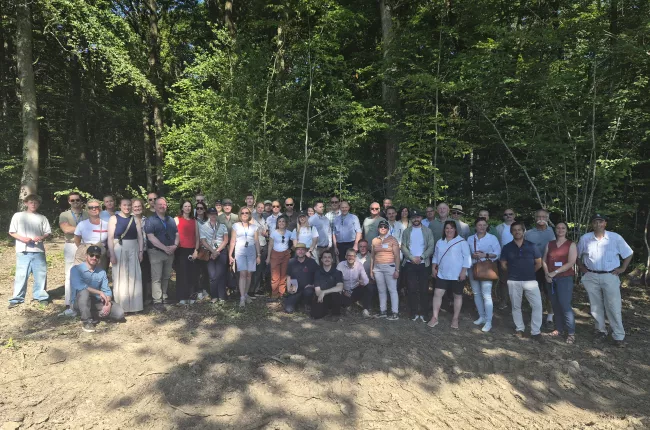
The field trip of the meeting took place in Amager Common. The area is a former military training area that was opened to the public in 1984. The area offers nature experiences close to the Danish capital, while being one of Eastern Denmark's most important bird locations for water and wading birds. This area is designated Natura2000 habitat and bird protection area, with a focus on salt meadows and various wading birds. Amager Common illustrate the twofold objective of recreation and nature protection.
Forest Directors’ meeting
The EU Forest Directors meeting organised by the Danish Presidency was held on 8-10 October in Copenhagen. The meeting was attended by CEPF Secretary General, Fanny-Pomme Langue.
The three main topics discussed were Afforestation and tree planting, managing biodiversity in forests – integration vs. segregation and forest monitoring - satellites and new technologies.
During the meeting, the Danish Presidency presented its “Agreement on a Green Denmark” to develop afforestation.
The first part of the field trip of the meeting took place in Himmelev Forest were afforestation, biodiversity and water in forests were adressed. During this visit, meeting participants planted 300 trees, contributing to the 3 billion trees planting objective set by the European Commission. The second part of the meeting took place in Boserup Forest where biodiversity protection via segregation approach as well as close to nature forestry were discussed.